Roasting furnaces
Roasting improves the availability of ore muck before the final furnace. It is especially important for iron, where roasting is the route to maximum availability before the bloomery.
Operation
Section titled “Operation”The Roasting Furnace Door is the structure anchor. Crouch-right-click it to show a tier projection and crouch-right-click again to cycle tiers. Build the projected brick shell, grate, fuel, muck, door-top, and open smoke spaces.
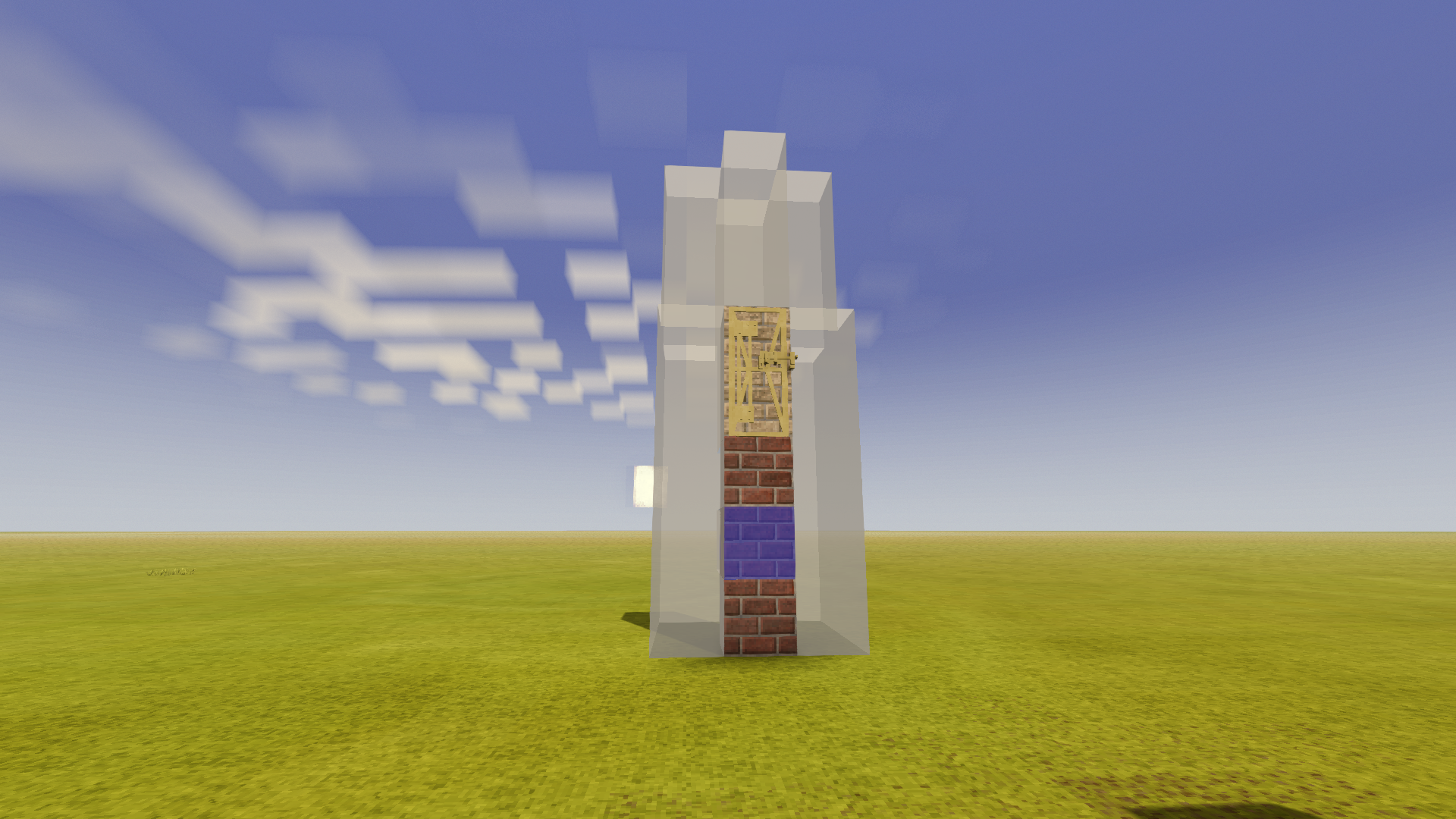
Every fuel position must contain fuel. The lowest fuel temperature controls the furnace, and the roast requires at least 600°C. The reference timing is an eight-hour hold after the tier-dependent heat ramp, followed by cooling. Remove fuel during cooling and let the furnace finish naturally.
An ore layer can be roasted only once. Roasting the same layer again does not stack another bonus.
Tiers and block positions
Section titled “Tiers and block positions”These are the projected positions from the IME 1.0.16 patterns. Muck cells
counts the vertical charge positions; the charge grid describes their
horizontal arrangement.
| Tier | Furnace brick needed | Grates | Fuel positions | Muck cells | Ramp / hold / cool |
|---|---|---|---|---|---|
| 1 | 50 | 1 | 1 | 3 | 1 h / 8 h / 1 h |
| 2 | 75 | 4 | 2 | 12 | 2 h / 8 h / 2 h |
| 3 | 124 | 9 | 4 | 27 | 4 h / 8 h / 4 h |
All three tiers use the same brick families: clay brick, fire-clay brick variants such as fire brick, or refractory brick. Every tier also requires a grate material accepted by the projection—at least firebrick or refractory grate in the reference implementation.
Practical layouts
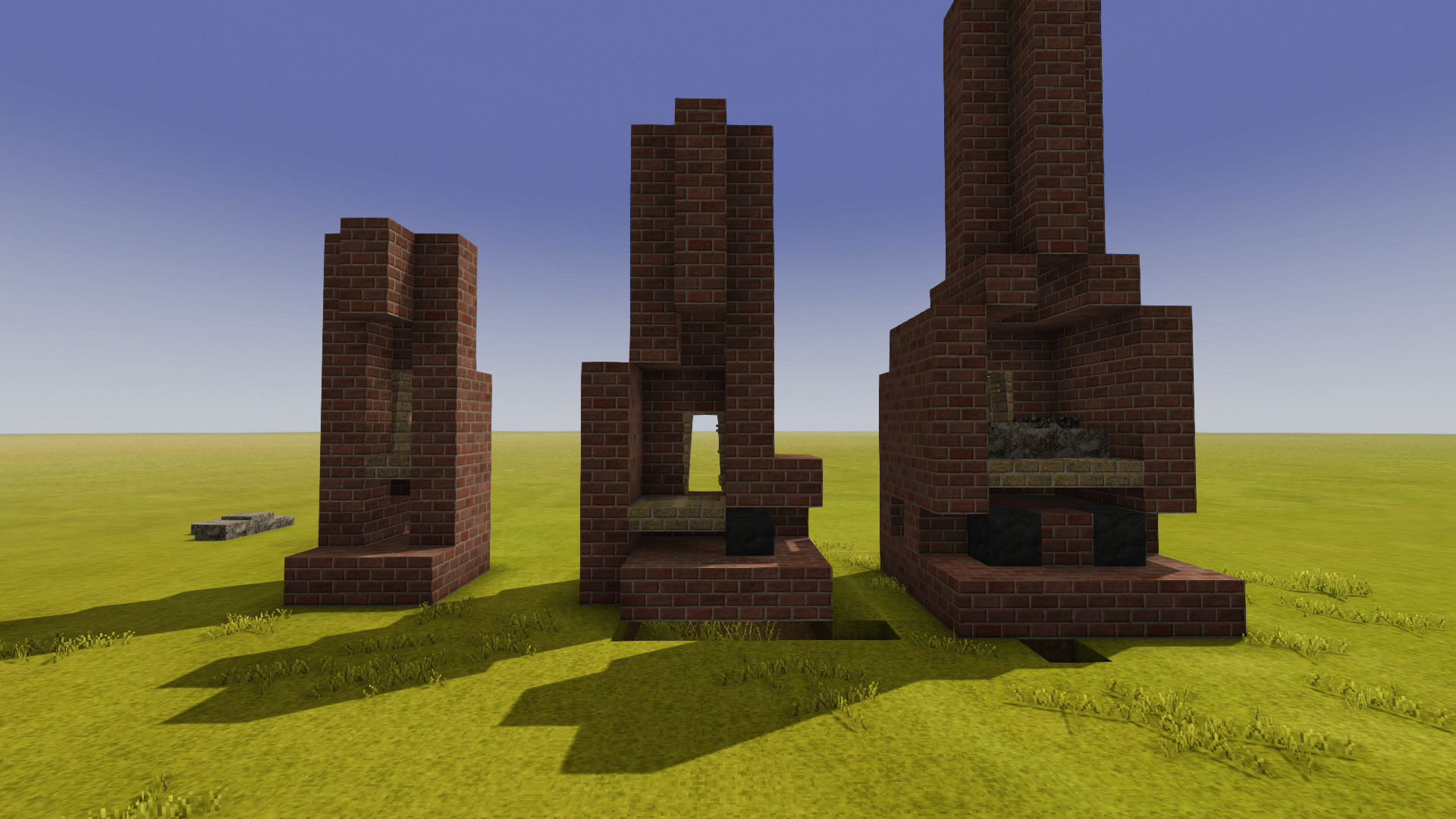
Section titled “Practical layouts”- Tier 1: One vertical 1x1 muck column over one grate, with one fuel position and the two-block door at the front.
- Tier 2: A 2x2 muck grid over four grates, with two fuel positions and the door at the front of the taller shell.
- Tier 3: A 3x3 muck grid over nine grates, with four fuel positions. This is the batch roasting layout for a mature processing hall.
Each muck column can be three block high.
Availability gains
Section titled “Availability gains”For non-iron ore, roasting adds 35 percentage points of availability. Starting from the default muck grades, that means coarse 15% becomes 50%, raw 25% becomes 60%, and fine 35% becomes 70%.
Iron uses its own availability results:
| Iron muck grade | Availability after roasting |
|---|---|
| Coarse | 65% |
| Raw | 85% |
| Fine | 100% |
Roast selected ore muck once, then send non-iron concentrates to a smelting furnace or send roasted iron muck to the bloomery. Keep stone muck out of the charge because it provides no ore availability to improve.